

7 Reasons Why Digital Images Are Hurting You
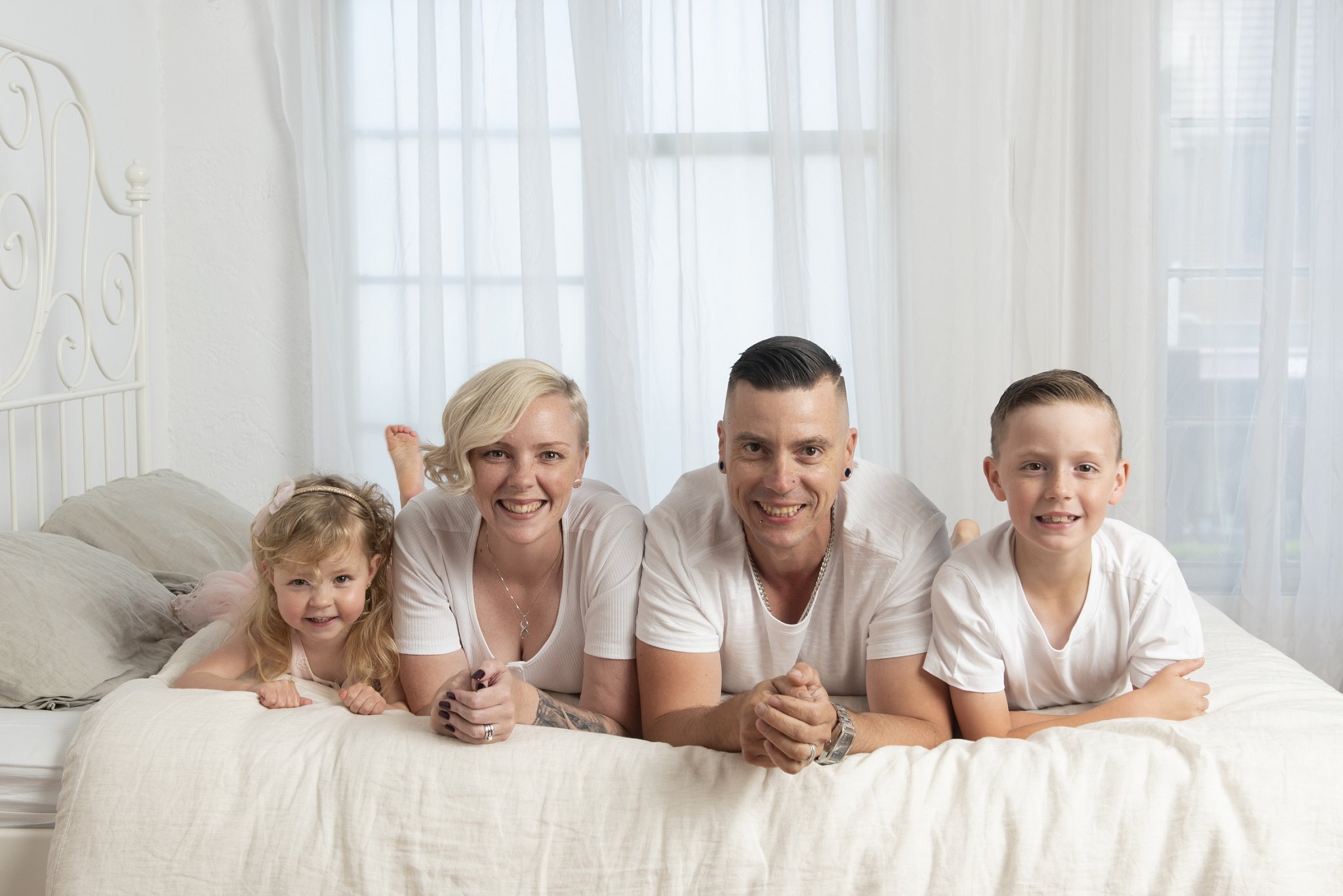
These days, digital images are incredibly convenient. They can be easily stored on your computer or a USB, they take up less space than albums and wall art, and they are always on hand when you need them. But how many times have you set that USB of photos in a desk drawer, planning to get prints but never quite getting around to it? Check out these seven reasons why digital images just aren’t as great as we need them to be.
These days, digital images are incredibly convenient. They can be easily stored on your computer or a USB, they take up less space than albums and wall art, and they are always on hand when you need them. But how many times have you set that USB of photos in a desk drawer, planning to get prints but never quite getting around to it?
Digital images can be useful, especially when it comes to sharing your family photos with your family and friends on social media, but they can also be easily lost or permanently damaged. Check out these seven reasons why digital images just aren’t as great as we need them to be.

You can’t archive them
You can store your digital image files on your computer, in the cloud or in a variety of other storage places both online and in your home. But what happens if you cancel your cloud service or fail to keep up with the subscription? What happens if your computer dies, and or is stolen? What if the flash drive you kept your photos on is lost? Then your images are gone for good. There’s no way to keep a permanent archive of digital photos without constantly moving from platform to platform as technology evolves.

They can be corrupted
Just as bad as lost images are corrupted ones. Unlike prints or physical products, digital files can be corrupted, making them inaccessible and impossible to salvage. All your memories can easily be destroyed, living you with no way to get them back.
You may forget about them
Digital images are great to have—until that flash drive starts gathering dust in your junk drawer or gets left in the car. Let’s face it: We all lead pretty busy lives, and it can be hard to remember to get around to downloading those photos and actually doing something with them. Often, our digital images end up forgotten instead.
Our phone is the perfect example of this. We take photos of daily life with our kids, and yet how often do we go back and look at them. Or we upgrade to a new phone, and then we have the dilemma of what to do with all those old photos on our phone. And then when we do look through them on the odd occasion there are 20 images of the same thing we tried to take from different angles and it is so easy to get quickly bored looking at them.

They are costly—and that doesn’t include wall art
Let’s say you do remember to do something with that flash drive, and you log on to Shutterfly or visit your local Harvey Norman or Kmart to get some images printed. You’ve already paid for the session and for the digital files, and now you have to pay high prices for wall art and albums too. And the worst part? Most big companies don’t even offer high-quality prints, so you may end up with images that are too dark, too light or just not great, which is a waste of money. And within a short time, they can fade or turn yellow.

You have to keep up with new storage options
Not so long ago, you may have stored your images on floppy disks, but good luck finding a computer with a floppy disk drive these days. As technology changes, your chosen storage for your digital files has to change as well, which means you may keep switching from one storage option to another as the years pass, just to ensure that your images aren’t lost.
They have less impact
Physical prints such as wall art and albums can remind your children of their importance in your life. They can be a celebration of your family’s bonds and an ever-present sign of how much your family means to you. Digital images, however, are just photos on a screen. Studies show that they don’t have the same impact on children as seeing prints, which means you could be depriving your children of a chance to boost their confidence and self-esteem.

You aren’t respecting your photographer’s art
Photography is an art form, and the creation of beautiful images is something that your photographer has worked hard to learn. By asking only for digital images, you are missing out on the chance to see that art reproduced in high-quality heirloom prints and wall art for your family to appreciate for generations to come. That’s why it’s so important to choose a photographer who appreciates the importance of having digital images, as well as tangible albums and prints to commemorate this moment in the lives of your family.
Choose a family photographer that offers the full service
When you take the time to go to a professional family photographer, let them help you with displaying your images so they look their best. They put together displays for their clients on a regular basis. They have met and gotten to know your family, so they can hep you with which family image would be the best to blow up and put on the wall, which images really capture who your kids are at this age.
They will also have a relationship with suppliers for things like framing, and most likely will offer it to you at the same price as if you took it to a framer yourself, or even cheaper. They will also use the absolutely best products available, as their focus is on making your images last. So they will choose archival printing and framing to make sure that your wall art looks as good in years to come as it did the day you purchased it.
Breast or Bottle - Which is best?
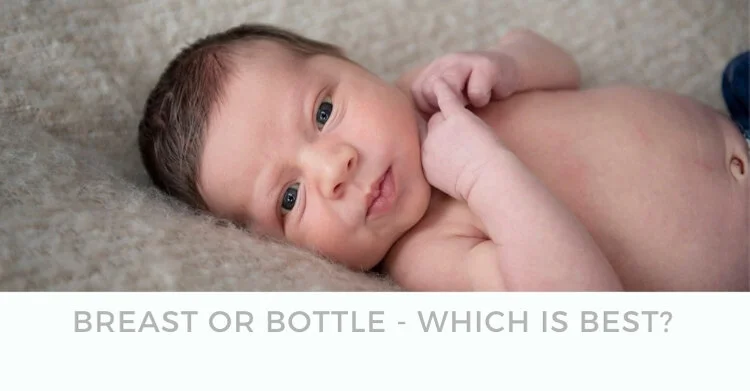
There are lots of decisions to make when there’s a baby on the way. One of the most controversial is the ever raging “breast or bottle” debate. There are many people who have strong feelings on both sides of this issue. I’m going to give share my personal reasons why I ended up formula feeding both my children, which hopefully will leave you feeling good, whatever your choice.
There are lots of decisions to make when there’s a baby on the way. One of the most controversial is the ever raging “breast or bottle” debate. There are many people who have strong feelings on both sides of this issue, and many of them will try like a televangelist to get you on their side. I’m not going to do that. I’m going to give you some of the facts, and share some of my personal reasons why I ended up formula feeding both my children, which hopefully will leave you feeling good, whatever your choice.

Scientifically, breast milk is best. There are nutrients in breast milk that help your child’s brain develop, and try as they might, formula makers cannot replicate these nutrients. Breastfeeding protects your child from illnesses because, as long as he or she is nursing, they are protected by your immune system, which is much more developed than theirs. Breast milk is very well tolerated by babies, and hardly ever causes gastric problems - however I will come back to this shortly.
But, realistically, the scientific facts are not the only things to be considered. Women who simply don’t want to breastfeed will probably not be very successful. Even some women who want to breastfeed will find it so difficult, that they are miserable trying to make it work. Some women will have difficulty making enough milk to satisfy their baby’s hunger, and some women will suffer more pain with breastfeeding than they can endure. If you fall into one of those categories, don’t beat yourself up. Your baby can flourish on formula too.

When my daughter was born I wanted to try breastfeeding, mostly because of the saving money sides of things but I wasn’t overly set on it being the main ordeal. My girl was sick, a lot, like ALL THE TIME. We now know that she is autoimmune, meaning she has little - no immune system and doesn’t respond well to antibiotics. In the first few months of her life I saw the power of breast milk and how quickly my body will catch on to her being sick and needing more specific nutrients. My milk would change colour (usually more yellow) before I even knew she was sick, constantly adjusting to what my baby needed to fight off whatever illness she had at the time. However, with work demands and juggling pumping with breastfeeding, my supply dropped off completely by the time she was 6 months old. I didn’t have a huge emotional attachment to breastfeeding so this felt absolutely like the right thing to do. She thrived off formula until she didn’t need it anymore.

My son was a different story. I had booked in proper maternity leave this time round and was absolutely planning on breastfeeding full time. After four short months of struggling with him being a Colic baby with reflux and me adjusting my diet weekly to try make my milk less painful for his little tummy to digest, I finally gave in and put him on formula. This was suggested by specialists and doctors but was a very hard decision for me to make. I loved feeding him, his latch was perfect every time and I really felt the bonding love this time round when I fed him. Sadly, my milk was pretty much poisonous to him, we have now found that he has a pretty severe protein allergy and he is now on prescription only formula… We are still journeying through this but the new formula has made a huge difference for him already.

Breastfeeding or not, this should always be the mother's choice. There are many reasons why people choose to formula feed, whether they are mental or physical, for the mum or for the baby, either way the mum is the one who gets to choose.

Breast or bottle is a personal choice. Weigh the facts and the preferences, and make the choice that is right for you and your baby. Some babies literally cannot have breast milk, and that’s OK. Whatever you decide, you don’t owe anyone an explanation.
Toilet Training Your Toddler: 8 Tips That Actually Work
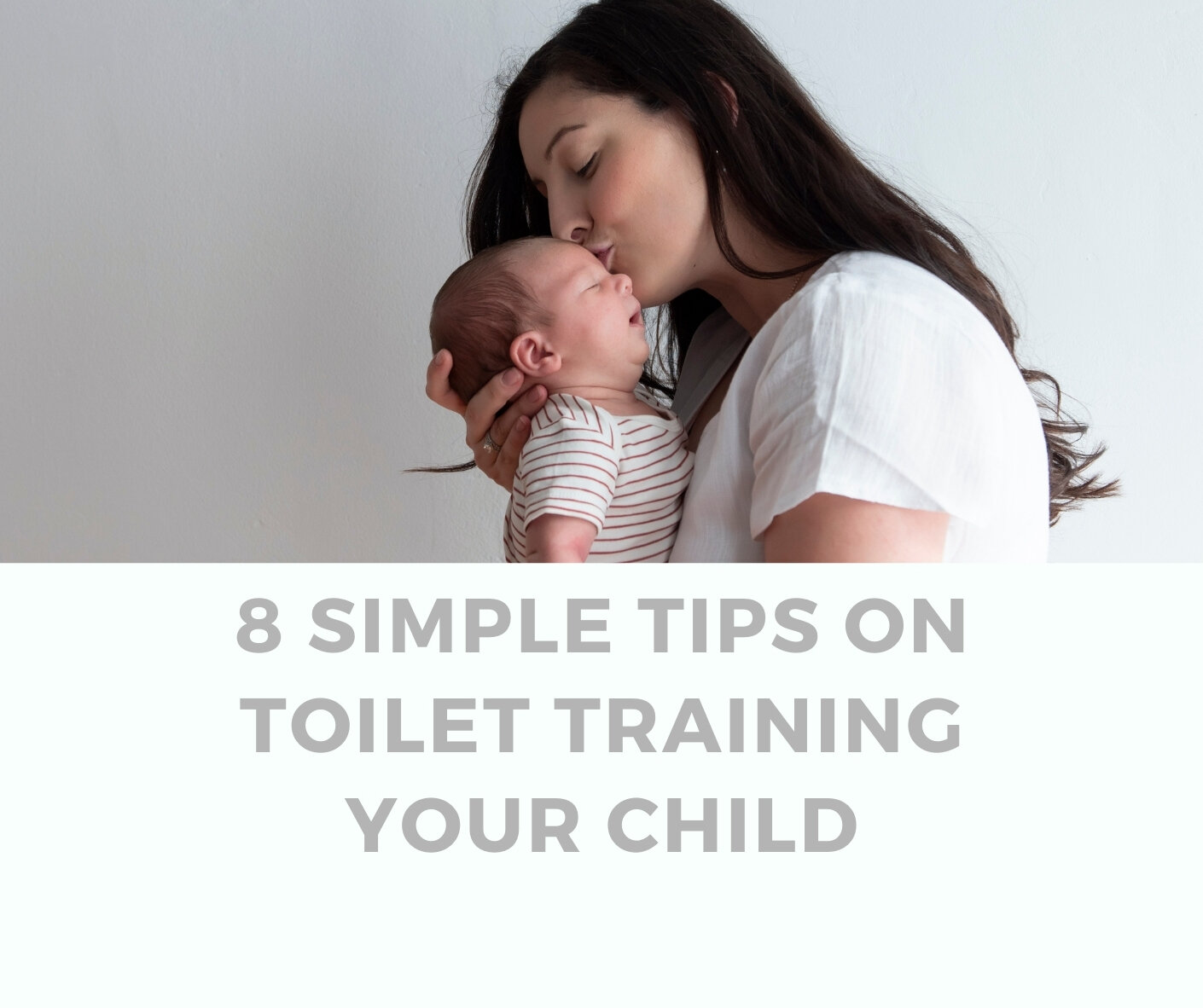
Yes, two - three years is the average age for children to start potty training, but what do you do when it doesn't go smoothly? Or better yet, where do you even start? Here are a few tips and tricks from us mums here at über photography that we have tried and used successfully to make this change from the daily nappies to the toilet, seamless... with a tiny side of wee, lol.
Toilet training. Nobody thinks about it before they become a parent, and then suddenly it is all anyone asks you about. "Is she toilet trained yet?" "What age does he need to be out of nappies for childcare?" "Oh, mine was trained by 18 months." Thanks for that.
The pressure from family, friends and daycare can make you want to throw the whole idea in the too-hard basket. And honestly, it is hard. Two to three years is the average age for children to start, but every child is different, and there is no magic formula that works for everyone.
After three kids and years of swapping war stories with mums at sessions, here are the eight tips that actually made a difference.
1. Start Introducing the Idea Early
You do not have to go all in at 18 months, but gently introducing the concept around the age of two gives your child time to get used to the idea. If your child shows signs of readiness a little earlier, there is no harm in starting to practise. Signs to look for include telling you when they have done a wee or poo in their nappy, showing interest in the toilet, or staying dry for longer stretches.
Starting early does not mean pushing. It means making the toilet part of their world so it is not a shock when the time comes.
2. Make the Toilet Less Intimidating
A full-sized toilet is enormous when you are two. Sitting on it can feel genuinely scary for a small child. A small potty chair or a potty seat that fits over the regular toilet makes a huge difference. For boys, make sure it has a front shield to contain the mess.
Put the potty in the room where your child spends most of their time. Let them sit on it with their clothes on at first, just to get used to it. The less unfamiliar it feels, the more willing they will be to actually use it.

3. Clear Your Schedule and Pick Your Moment
Do not try to start toilet training in the middle of a hectic week. Pick a stretch of days when you can stay home and focus on it properly. Long weekends and school holidays work well. I know that is not how anyone wants to spend their time off, but dedicating two or three days to really focusing on it can save you weeks of on-and-off attempts.
Summer is ideal if you can manage it. Warm weather means fewer layers to deal with, and your child will not mind running around in just a shirt and undies. Less clothing means fewer accidents to clean up and a faster connection between the feeling of needing to go and actually getting to the toilet.
4. Choose Your Language Carefully
Decide early on what words you will use for body parts, wee and poo, and stick with them. Keep it simple and matter-of-fact. "Wee wee" and "poo poo" work perfectly well for toddlers. The important thing is consistency so your child knows exactly what you mean.
Avoid negative language. Words like "gross", "yucky" or "naughty" can make your child feel ashamed about something that is completely natural. Accidents will happen, and how you react to them matters. A calm "that is okay, let's try the potty next time" goes a lot further than frustration.
5. Use Their Favourite Toy to Demonstrate
This sounds silly but it works. Take your child's favourite doll, teddy bear or action figure and put it on the potty. Explain that the bear is doing a wee on the potty. Put a pretend nappy on the toy and then graduate the toy to undies. Your child learns by watching and imitating, and seeing their beloved toy go through the process normalises it.
My kids responded to this far better than any amount of explaining. Something about seeing teddy do it first made the whole thing less daunting.
6. Use Books and Videos
There are plenty of children's books and videos about toilet training available online and at the library. Let your child watch or read about other children learning to use the potty. It helps them understand the process and realise that every child goes through it.
A practical tip: let your child look at their favourite book while sitting on the potty. It keeps them sitting there long enough for something to actually happen, and it turns the experience into something positive rather than something they dread.

7. Make It an Event
Get out the calendar and let your child pick a "Potty Day". Circle the date in a bright colour. Talk about it in the lead-up. Build some excitement around it. "Potty Day is nearly here!" might sound ridiculous to you, but to a toddler it makes the whole thing feel like an achievement rather than a chore.
Creating a positive atmosphere around toilet training makes your child more willing to try. Sticker charts, high fives and small rewards for successful trips to the potty all help reinforce the message that this is something to be proud of.
8. Once You Start, Do Not Go Back
This is the most important tip and the one most parents struggle with. Once you switch from nappies to undies during the day, commit to it. Keep nappies for nap time and sleep time only. The more consistent you are, the faster your child will learn.
If you are worried about the car seat, put a towel or a reusable nappy insert underneath them. If you are going out, pack spare clothes. Accept that there will be accidents and plan for them rather than reverting to nappies.
Going back and forth between nappies and undies sends mixed signals and extends the whole process. Consistency is everything.

Be Patient with Yourself and with Them
Toilet training is not a one-day event. It takes time, patience and a lot of cleaning up. Some children get it within a few days. Others take weeks. Both are normal. Your child will get there. They will not be in nappies for ever, even if it feels like it right now.
And if you are in the thick of it and it feels like nothing is working, take a breath. Step back for a week if you need to and try again. There is no deadline. There is no competition. Your child will be ready when they are ready.
You are doing a great job.
Kate x

5 things I wish I knew when I was pregnant
Your first pregnancy is such an emotional and scary time. Your body is changing, your life is changing, and most women really don't know what to expect. As a mum of 3, this is my guide to the 5 things that I wish I knew when I was pregnant with my first baby.
When I found out I was pregnant for the first time, I thought I was prepared. I had read the books, talked to friends and done all the research. But there were things that nobody told me, or that I did not truly understand until I lived through them. Now, after three babies and 23 years of photographing newborns and pregnant mums, these are the five things I wish someone had told me honestly before my first baby arrived.
Labour Is Not What You Think It Is
I remember one of the first things I felt when I found out I was pregnant was fear about labour. I had seen it in films and television shows where it is always this dramatic, screaming, chaotic event. Rushed to hospital. Lots of yelling. Total panic.
I am not going to tell you labour does not hurt, because it absolutely does. But my experience, and I think most women's experience, is nothing like what you see on screen. My three births were all completely different from each other. One was long, one was fast, and one was somewhere in between. But in all three cases, the moment they placed my baby on my chest, everything I had just been through disappeared. Instantly. It is a feeling like nothing else you will ever experience.
So my advice is this: when you are scared about labour, focus on the end. Focus on the moment you will hold your baby for the first time. That is what matters. Everything else is just the path to get there.

Do Not Overbuy Baby Clothes
I spent so much time worrying about what clothes to buy before my first baby arrived. How many outfits? What size? What if the baby was bigger or smaller than expected?
Here is what I wish someone had told me: buy about a week's worth of outfits in neutral tones and leave it at that. Even if you know you are having a boy or a girl, neutral colours mean you can reuse everything for future babies. Your newborn will grow out of those tiny sizes within about four weeks anyway, so there is no point stocking up.
Once your baby arrives and you know their actual size, you can go out and buy what you need in sizes that will last longer. You will also have a much better idea of what is practical by then. Those beautiful outfits with a hundred tiny buttons? You will learn very quickly that zips and press studs are your best friend at 3am.

Sleep Now, Because You Will Not Later
I remember complaining about not sleeping well when I was pregnant. I had no idea what was coming.
If I could go back, I would take sleep far more seriously during pregnancy. A few things that helped me: going to bed a little earlier than usual, which is also a good habit to build before the baby arrives. Taking a quick nap during the day whenever possible, even just 20 minutes. And getting a full-length body pillow. This was probably the single best purchase I made during pregnancy. It supports your belly, makes side-sleeping comfortable and you will keep using it long after the baby arrives.
The sleep deprivation that comes with a newborn is real, and it hits harder than you expect. Anything you can do to bank sleep beforehand is worth it.

Learn to Trust Your Gut Now
From the moment you tell people you are pregnant, the advice starts. Everyone has an opinion. Your mum, your friends, your colleagues, strangers in the supermarket. Most of it comes from a good place, but a lot of it is contradictory. One person tells you to do one thing, and the next tells you the exact opposite.
My advice is to listen to everything, but only take on what genuinely resonates with you. There is no rulebook for raising children. The guidelines change every few years anyway. What was recommended when I had my first is different from what they recommend now.
As a mum, your gut instinct is one of the most powerful tools you have. I have heard countless stories from mums over the years who trusted their instincts about their child's health when even the doctors were saying everything was fine, and they were right every single time.
Start listening to your intuition now, while you are pregnant. Practice filtering out the noise and paying attention to what feels right for you. When your baby arrives, you will need that skill more than ever.
There is no right or wrong way to raise a child. We all want to raise happy, resilient little people who can go out into the world and thrive. You will make mistakes. That is normal. All you can do is your best. And the thing your child needs most from you is not perfection. It is love.

Enjoy Being a Couple Before the Baby Arrives
It is easy to get so caught up in preparing for your baby that you forget about your partner. Everything becomes about the nursery, the pram, the hospital bag, the birth plan. And somewhere in all of that, your relationship takes a back seat.
Pregnancy is a strange time for partners. They watch you change physically and emotionally, but for them nothing is visibly different yet. I remember my husband telling me he did not feel ready to be a dad. I think a lot of men feel that way but do not say it.
While you are pregnant, make time to do the things you have always enjoyed together. Go out for dinner. Watch a film on the couch. Take a walk. It does not have to be anything big. Just time together as a couple, not as parents-to-be planning a nursery.
When your baby arrives, your focus will naturally shift to them for the first 12 months at least. That is completely normal, and your partner will understand. But the foundation you build as a couple before the baby comes will carry you through those early months when everything feels overwhelming.

You Will Not Remember as Much as You Think
Here is the thing nobody tells you. You think you will remember everything about those first weeks. The way they fit in your arms. The weight of them on your chest as they slept. Those little sounds they made. The way their eyelids fluttered when they were dreaming. The tiny hands that wrapped around your finger. The expressions on their face as they tried so hard to focus on yours.
But life moves fast. And it all becomes a blur far sooner than you expect.
I photograph newborns within the first few weeks of life, and I do it because I know from my own experience how quickly those details fade. Your memory is not as reliable as you think it is, especially when you are running on no sleep and your world has just been turned upside down in the most beautiful way.
Do not rely on your memory for those early moments. Have them captured properly so that in 18 years, when that tiny baby is finishing school and heading off into the world, you can look back and remember exactly how it felt.
If you are pregnant right now or planning to be, I would love to chat about capturing your family at this incredible stage. Whether it is a maternity session, a newborn session, or both, these are the photos you will treasure most.
Kate x